How do you write an ampersand
The plus sign, the et ligature, and the flourished &, with the history of the mark and the limits of reading it.
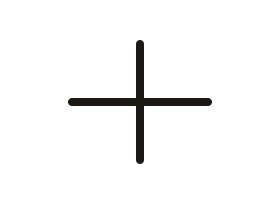 A plus sign standing in for and. Fast notes often stop here.
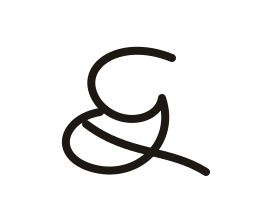 The traditional &: a reduced ligature of the Latin word et.
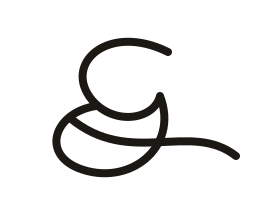 A flourished &: the same ligature with an extra sweeping stroke.
Where this comes from
The ampersand is not a letter invented for handwriting tests. It is the Latin word et, meaning and, collapsed into one mark. The traditional form still has a back and a cross if you look for them.
A plus sign is a substitute, not a failed ampersand. People use it because + already means and in notes. A flourish is lettering: the writer has seen decorative ampersands and kept a piece of one.
What this does not show
The flourish does not show an artistic personality, and the plus sign does not show impatience as a trait. One is decoration learned from print. The other is a shortcut.
An ampersand is a Latin mark. It does not belong in a description of Chinese handwriting. This guide stays with the symbol it shows.
Questions
- What does an ampersand come from?
- From et, the Latin word for and. The two letters were tied together until they became one symbol.
- Is writing a plus sign instead of & incorrect?
- In a formal word it is informal. In a note it is ordinary. The test treats it as a shape people really use.
- Does a fancy ampersand mean a creative person?
- It means a fancy ampersand. Creativity is not measured by one symbol, and this site does not try.
- How many ampersand forms are in the test?
- Three: a plus sign, a traditional et form, and a flourished form. Pick the closest, not a perfect match.