Free tool · printable
Handwriting sample chart
A chart of the shapes used in the 12-question test. Compare your own writing, filter by digits, letters, symbols, spacing, or slant, and print a clean copy. No upload and no account.
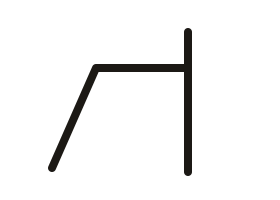
Open 4
Open 4 with a crossbar and no closed triangle
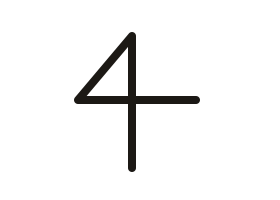
Closed 4
Closed 4 with a triangular top
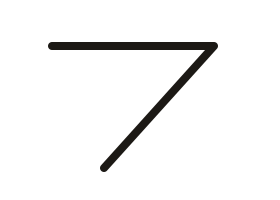
Plain 7
A 7 with no crossbar
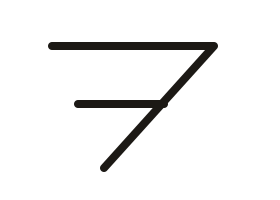
Crossed 7
A 7 with a horizontal crossbar
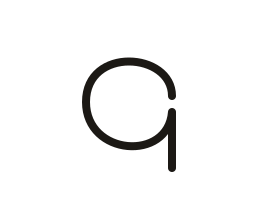
Single storey
Single-storey handwritten a, one counter
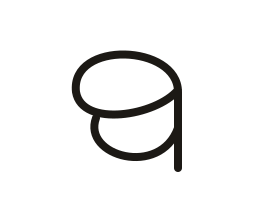
Double storey
Double-storey a like the printed letter
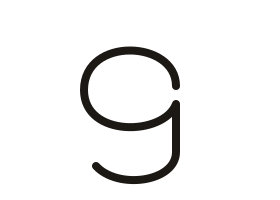
Open tail
Lowercase g with an open hook
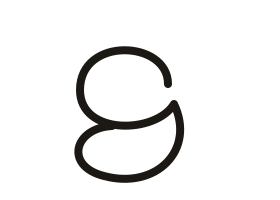
Looped tail
Lowercase g with a closed loop
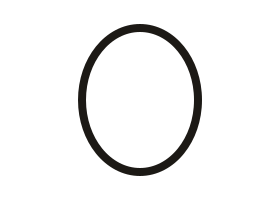
Plain 0
An oval zero with no slash
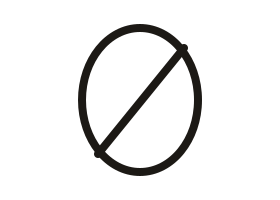
Slashed 0
A zero with a diagonal slash
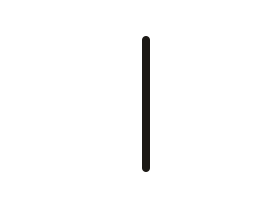
Plain stroke
A 1 drawn as one straight stroke
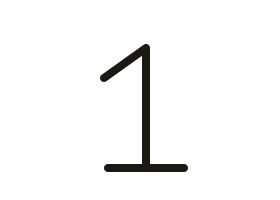
With a foot
A 1 with a top flag and a base
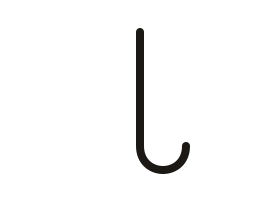
No bar
A t stem with no crossbar
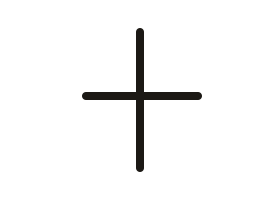
Through the middle
A t crossed at mid-height
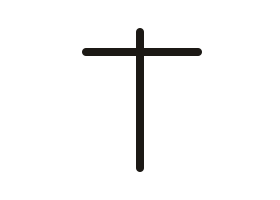
Near the top
A t crossed high on the stem
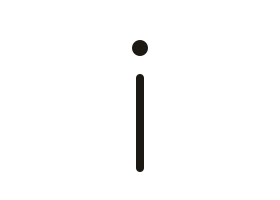
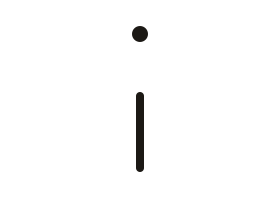
Close dot
An i with the dot close to the stem
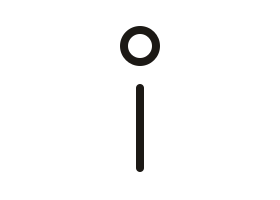
High dot
An i with the dot high above the stem
Circle
An i with an open circle instead of a dot
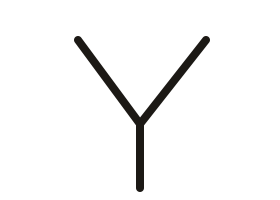
Straight tail
A y with a straight descender
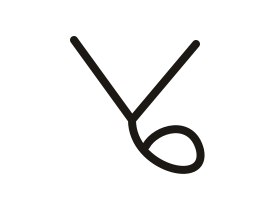
Looped tail
A y with a looped descender
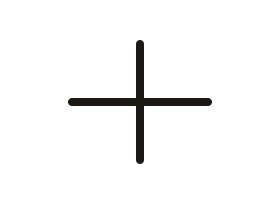
A plus sign
A plus sign used in place of an ampersand
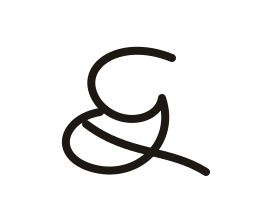
The et form
A traditional ampersand from the Latin et ligature
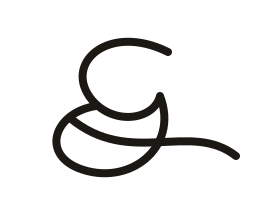
With a flourish
An ampersand with an extra sweeping stroke
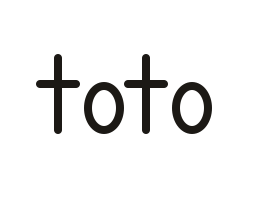
Tight
Two words with a tight gap
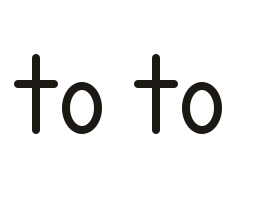
Even
Two words with an even gap about one letter wide
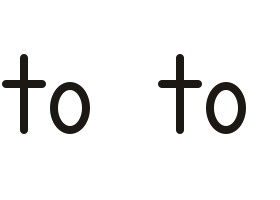
Wide
Two words with a wide gap
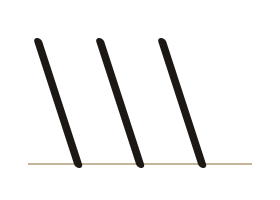
Left
Downstrokes leaning left of vertical
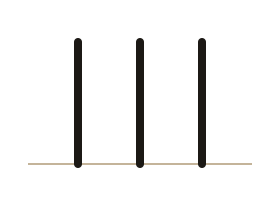
Upright
Downstrokes near vertical
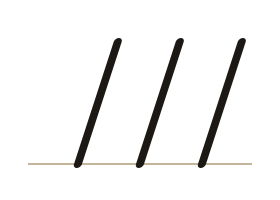
Right
Downstrokes leaning right, as in italic
What you get
- Every shape used in the test, shown as a clean line drawing rather than a stock photo.
- Filters for digits, letters, symbols, spacing, and slant.
- Search by name, so you can jump to 'open 4' or 'ampersand' without scrolling.
- A print view with the interface hidden, suitable for a desk or a classroom.
- A guide link beside the shapes that have a full article.
- A direct path into the test question for each shape.
How to use the chart
- Open the chart on a screen and find the group you care about: digits, letters, symbols, spacing, or slant.
- Use the search box if you know the name of the shape. Try '4', 'ampersand', or 'slant'.
- Compare the chart drawing with a page of your own handwriting at the same viewing size. Do not compare a small chart image with a large handwritten page.
- If a shape has a guide link, open it to see where the form is taught and what it does not show.
- Print the chart if you want to mark shapes by hand. The print stylesheet removes the navigation and filters.
- Open the test and pick the shape closest to yours. The chart is a reference; the quiz is the filing exercise.
What this chart is
This is a reference sheet for the shapes the test asks about. It is not a ranked list of good and bad handwriting, and it is not a personality chart. Each row shows a form you might write and gives it a name so you can compare it with your own page.
The drawings are deliberately simple. A real handwritten 4 may have a curved stem, a short crossbar, or a diagonal that stops halfway. The chart shows one clean version of the open and closed forms so the difference is visible. Your writing does not have to match the drawing exactly; the question is which form is closer.
The chart covers digits (4, 7, 0, 1), letters (a, g, t, i, y), a symbol (the ampersand), word spacing, and slant. Those are the 12 questions in the English test. The Chinese test uses a different set of five questions and has its own chart.
How to compare your writing fairly
Write a few lines on unlined paper before you open the chart. Use the pen you normally use. A deliberate copy of a printed shape is not the same as the form that appears when you are thinking about something else.
Compare at a similar size. A chart drawing on a phone screen is small; a handwritten page is large. If you shrink your writing to match the chart, curves and gaps will look different. Put the page beside the screen and step back.
Look at several examples. People mix forms: a closed 4 in a careful note, an open 4 in a shopping list. The quiz asks you to pick the one that is closest, not the one you used once in a formal document. If you genuinely use both equally, that is useful information about the instability of the feature.
Do not correct your writing before you compare. The chart is not a test you can fail, and a tidied sample is a sample of tidying, not of your everyday hand.
What a shape can and cannot show
A shape can show which model a writer practised, which region they learned in, and sometimes which form they saw most often on a keyboard or a sign. A closed 4 is common in many European school scripts; an open 4 is common in the United States. A crossed 7 is a practical way to keep 7 from looking like 1. These are conventions, not character traits.
A shape cannot show whether a person is honest, creative, organized, intelligent, or good at a job. The research on graphology does not support those inferences. A meta-analysis by Neter and Ben-Shakhar (1989) found near-zero validity for graphologists' predictions in personnel contexts when the content of the writing was neutral.
This site uses shapes as a filing system. The quiz counts four visual directions, names the leading direction, and gives you a fictional label. The label is a way to talk about the shapes you picked. It is not a diagnosis and should not be used to make decisions about other people.
Reading the digit rows
The digit rows are about identification, not personality. A crossed 7 and a slashed 0 both exist to prevent misreading. A 1 with a base and a flag is a form that survives from older copybooks. A closed 4 may look more like a printed numeral; an open 4 may be faster to write.
When you compare digits, ask what problem the form solves. A slashed zero solves the 0/O confusion in technical writing. A crossed 7 solves the 7/1 confusion in handwriting where 1 has a serif. Those are functional explanations, and they are usually more useful than a trait claim.
Reading the letter rows
The letter rows show forms that vary widely between school systems. A single-storey a is a circle with a stem; a double-storey a has the printed shape with a bowl and a roof. A looped g and an open g differ in the descender. A t can be crossed high, crossed in the middle, or not crossed at all.
Those differences are often taught, not chosen. A writer who learned a particular cursive model may keep its loops long after leaving school. A writer who prints may never form a looped g. The chart helps you name the form; it does not tell you why the writer uses it.
Reading the spacing and slant rows
Word spacing is relational. The same gap can look wide on a narrow page and narrow on a wide one. The chart shows examples so you can compare the gap between words with the width of a letter, not with an absolute distance in millimetres.
Slant is an angle, and the chart's slant row is a visual reference, not a measurement. For an actual angle, use the slant tool with a photo. The chart can help you decide whether a page looks left, upright, or right; the tool gives you a number you can check.
Printing and classroom use
The print view removes the navigation, filters, and buttons so the chart fits on a page. It is useful for a classroom exercise, a handwriting club, or a design reference. The drawings are line art and print clearly in black and white.
If you use the chart in a lesson, keep the framing honest. Ask students to compare forms and describe differences; do not ask them to infer character from a shape. The interesting lesson is that handwriting is learned, variable, and full of practical compromises, not that a loop reveals a secret self.
A real sample result
The chart is a reference, but the quiz produces a result. This sample used 8 answers and landed on Everyday Minimalist, the label for a finish-led set of shapes. It is a real result link generated by the same code as the quiz, not a mock-up.
- 8 of 12 questions answered.
- The finish direction led the other three directions by at least two points.
- The result names a set of shapes; it does not describe a real person.
- Open the link to see the full result page and the four direction totals.
When this chart is useful
Before taking the test
Find the shapes you actually write. The chart is faster than scrolling through 12 quiz questions if you only want to see the vocabulary.
Teaching handwriting
Use the rows to discuss regional and school differences in letterforms. The chart is a neutral way to show that a form is a convention, not a defect.
Checking a claim
When someone says a closed 4 means a certain personality, open the chart and the guide. Look for the evidence behind the claim, not just the label.
Printing a reference
Print the chart for a desk, a classroom, or a notebook. The print view is designed to be readable without the site interface.
Questions
- What is a handwriting sample chart?
- A reference sheet of the shapes used in this site's test. It shows the forms side by side so you can compare your own writing and understand the quiz vocabulary.
- Is this a personality chart?
- No. The shapes are filing categories. The quiz assigns a fictional label based on the shapes you pick, but the chart does not map shapes to personality traits.
- How many shapes are in the chart?
- The English test uses 12 questions covering digits, letters, a symbol, word spacing, and slant. The chart shows the forms used in those questions.
- Can I print the chart?
- Yes. Use the print button or your browser's print command. The print stylesheet hides the navigation, filters, and buttons.
- Why are some shapes linked to guides?
- A guide exists where a shape has enough history and variation to deserve its own page. The guide explains where the form is taught and what it cannot show.
- Does the chart use real handwriting samples?
- The chart uses clean line drawings so the difference between forms is clear. It does not use stock photos or claim that a drawing came from a particular person.
- Where is the Chinese chart?
- The Chinese test has its own five-question chart at /zh/tools/sample-chart. It covers size, character spacing, line spacing, connections, and the horizontal stroke.
- Do I need to upload my handwriting?
- No. The chart is a reference and the quiz is a set of multiple-choice questions. Nothing is uploaded.
- Can the chart tell me if my handwriting is good?
- No. Handwriting can be legible or illegible, fast or slow, conventional or unusual. The chart does not rank forms as good or bad.
- What should I read next?
- Open the guide for the shape you use, then read the science page. It explains what handwriting research can and cannot support.
Related tools and guides
Tools
Pick the shapes closest to your own. Eight answers are enough to produce a fictional label; nothing is uploaded.
Handwriting Personality Test editorial teamResearch and editorialLast updated 21 October 2026