Single-storey a or double-storey a
The handwritten a with one counter, the printed a with two, and why the choice is a model rather than a trait.
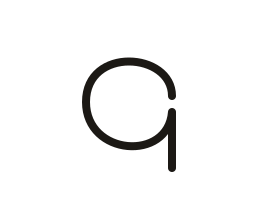 Single-storey a: one counter and a side stroke, the usual handwritten form.
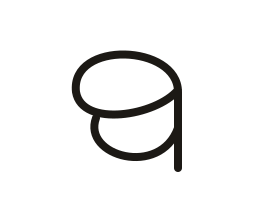 Double-storey a: two counters, the form used in most printed type.
Where this comes from
Almost every Latin school script teaches the single-storey a for handwriting. It is one circle and a short side stroke. Children can write it without lifting into a second counter.
The double-storey a is the printed letter. Some people keep it in their handwriting because they copied type, because a lettering style asked for it, or because they print more than they join.
What this does not show
A double-storey a does not mean someone is formal, and a single-storey a does not mean they are casual. The first is a print form. The second is a script form.
This page is about the Latin letter a. It has no equivalent stroke in Chinese handwriting. A Chinese sample needs its own questions.
Questions
- What is a single-storey a?
- A handwritten a with one enclosed counter, like a small circle with a stem on the right. It is sometimes called the script a.
- What is a double-storey a?
- The printed a, with a small closed counter on top and a larger one below. Typed text uses this form.
- Which a do most adults write?
- Most handwritten Latin a's are single-storey. The double-storey form is less common in running notes and more common when someone is printing.
- Can you judge personality from the letter a?
- No. You can see which model the stroke follows. You cannot see temperament, honesty, or ability.