The bar on a handwritten t
A missing bar, a bar through the middle, and a bar near the top: how to see each, and why the height is not ambition.
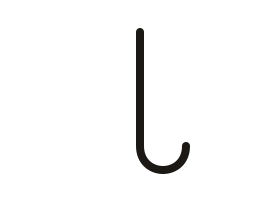 No bar: the stem stands alone. Fast notes drop the cross.
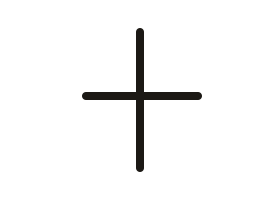 Through the middle: the usual copybook cross, about halfway up the stem.
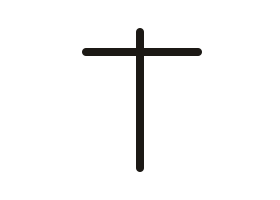 Near the top: the bar sits high on the stem and still meets it.
Where this comes from
School models cross the t. The bar is a short horizontal through the stem, often around the middle of the letter, so t stays distinct from l. A bar near the top is the same stroke placed higher. The model does not treat that height as a mood.
A missing bar is what happens when the pen does not come back. Hurried notes, and words where the next letter already makes t obvious, lose the cross. The stem is still a t if the word can be read.
What this does not show
Graphology reads a high bar as ambition. That reading is not supported well enough to use. The height is where the pen crossed.
Check several t's. One high bar in a fast word is not the habit. A photograph shows the ink. It does not show how hard the bar was pressed.
Questions
- What does a high t bar mean?
- On this site it means the bar sits near the top of the stem. It does not mean ambition, confidence, or a goal.
- Is a t without a bar still a t?
- In a word, yes. A missing bar is common in fast writing. The test files it as a shape, not as a failure.
- Where should the bar on t sit?
- Copybooks usually put it through the stem, around the middle or a little above. High and missing are both forms people write. None of the three is a diagnosis.
- Can the same person cross t in different places?
- Yes. Speed, the pen, and the letter before it move the bar. Pick the height you see most often in ordinary notes.